Watch

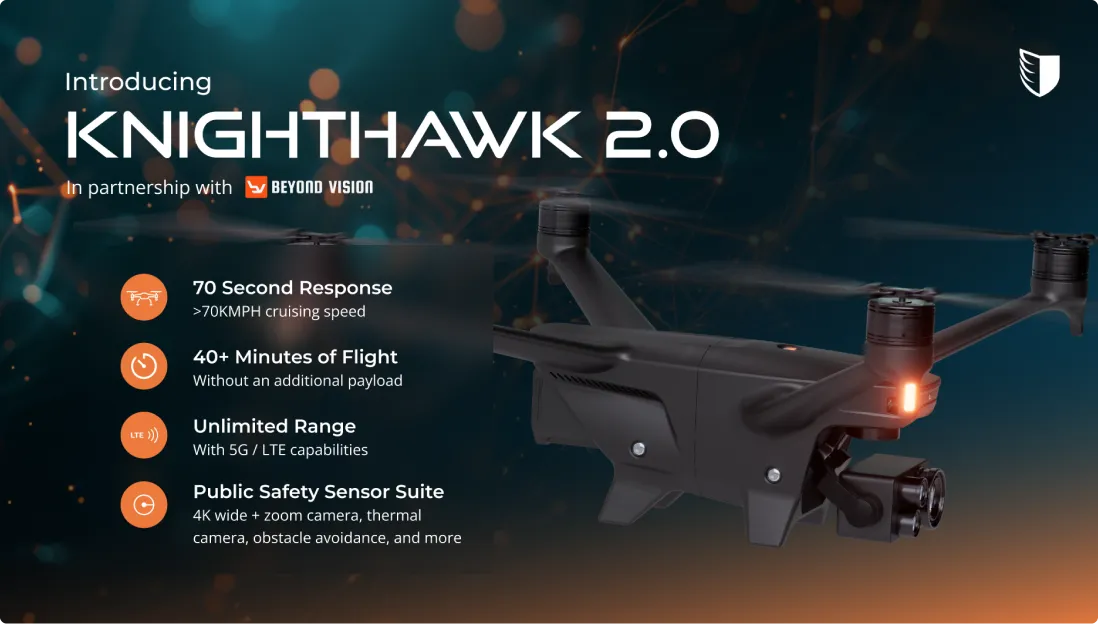
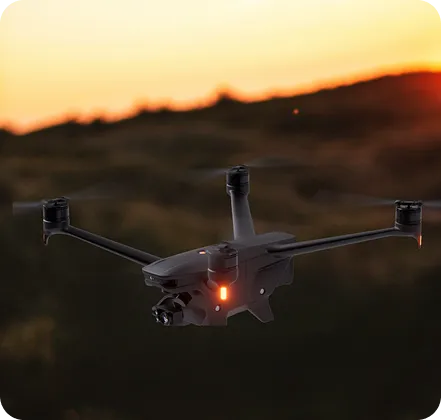
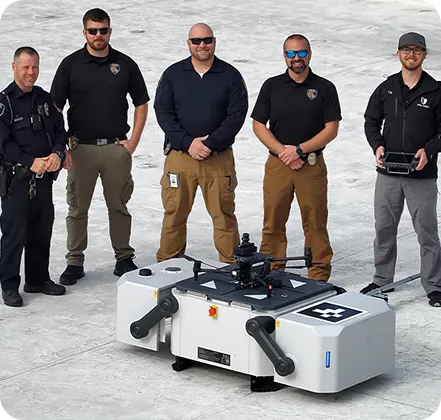
Paladin autonomously deploys drones to emergency incidents, delivering real-time aerial intelligence before the first unit arrives. Built as infrastructure any department can use, regardless of city size, the platform integrates with dispatch workflows to provide immediate situational awareness and support community-led public safety operations.
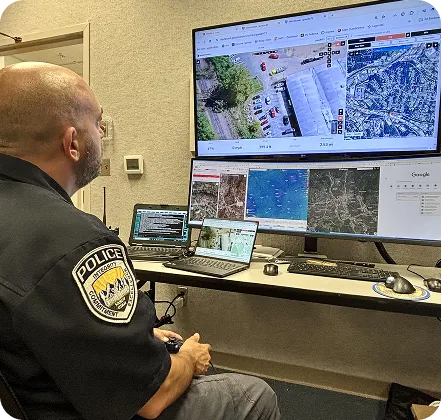


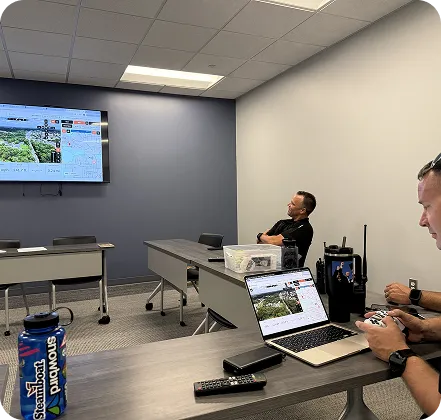
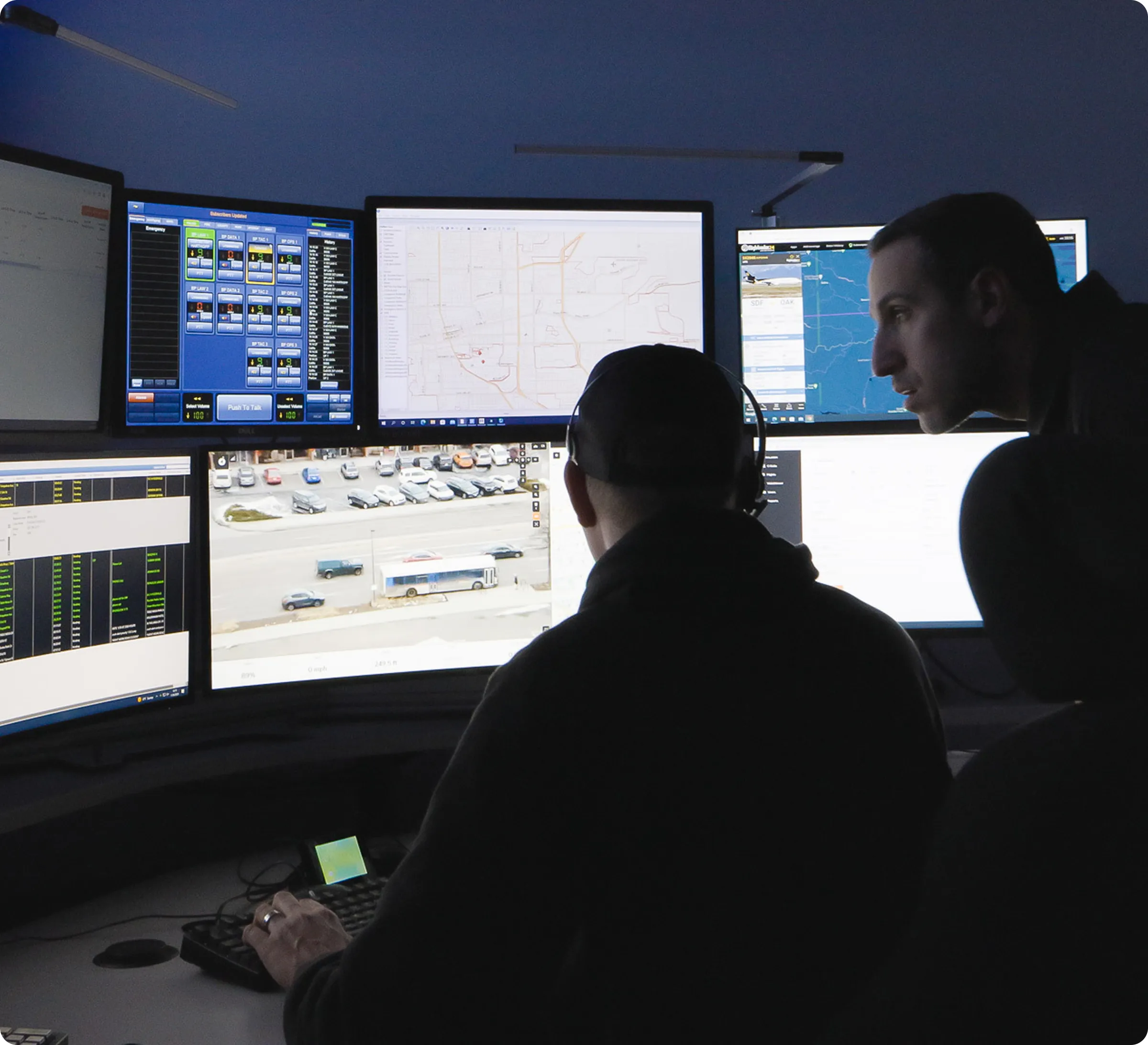
Real-time aerial intelligence gives responders clearer situational awareness, helping them approach incidents safely and coordinate responses with confidence.
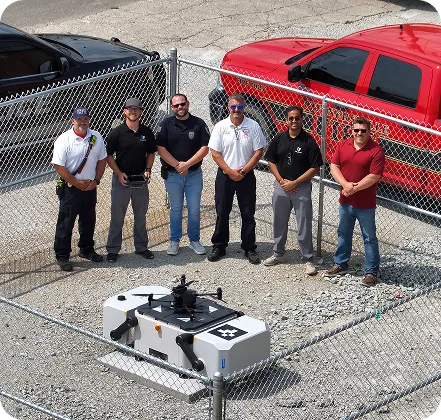
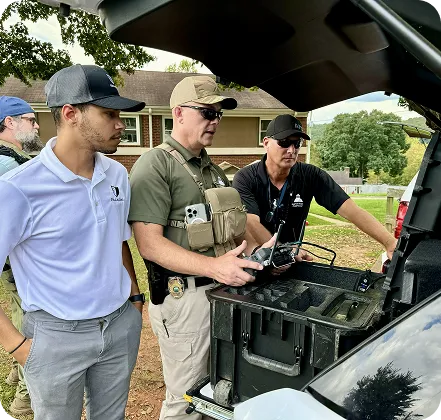
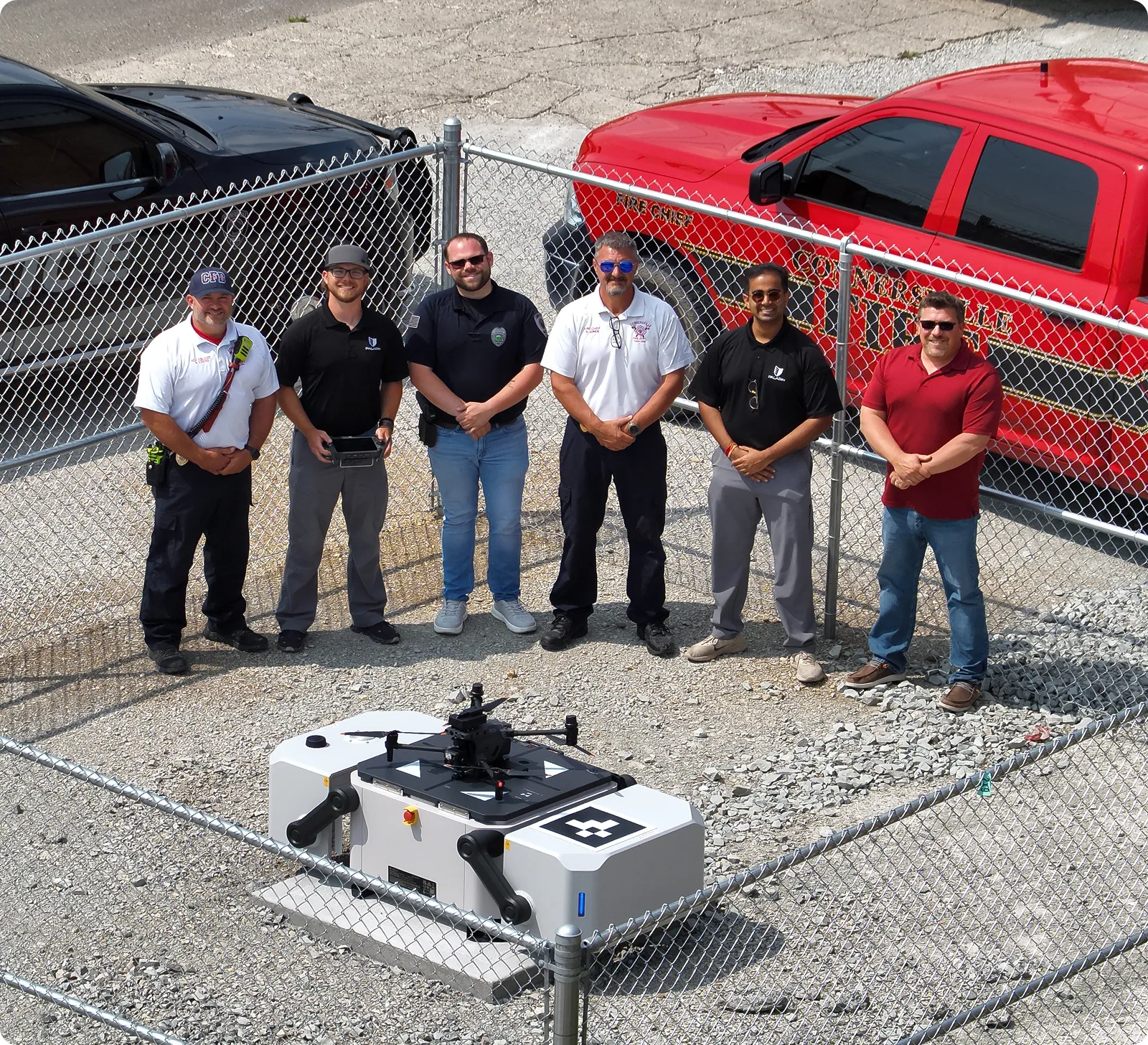
An easy-to-deploy aerial response system that enables departments to quickly add aerial capability without complex aviation programs.
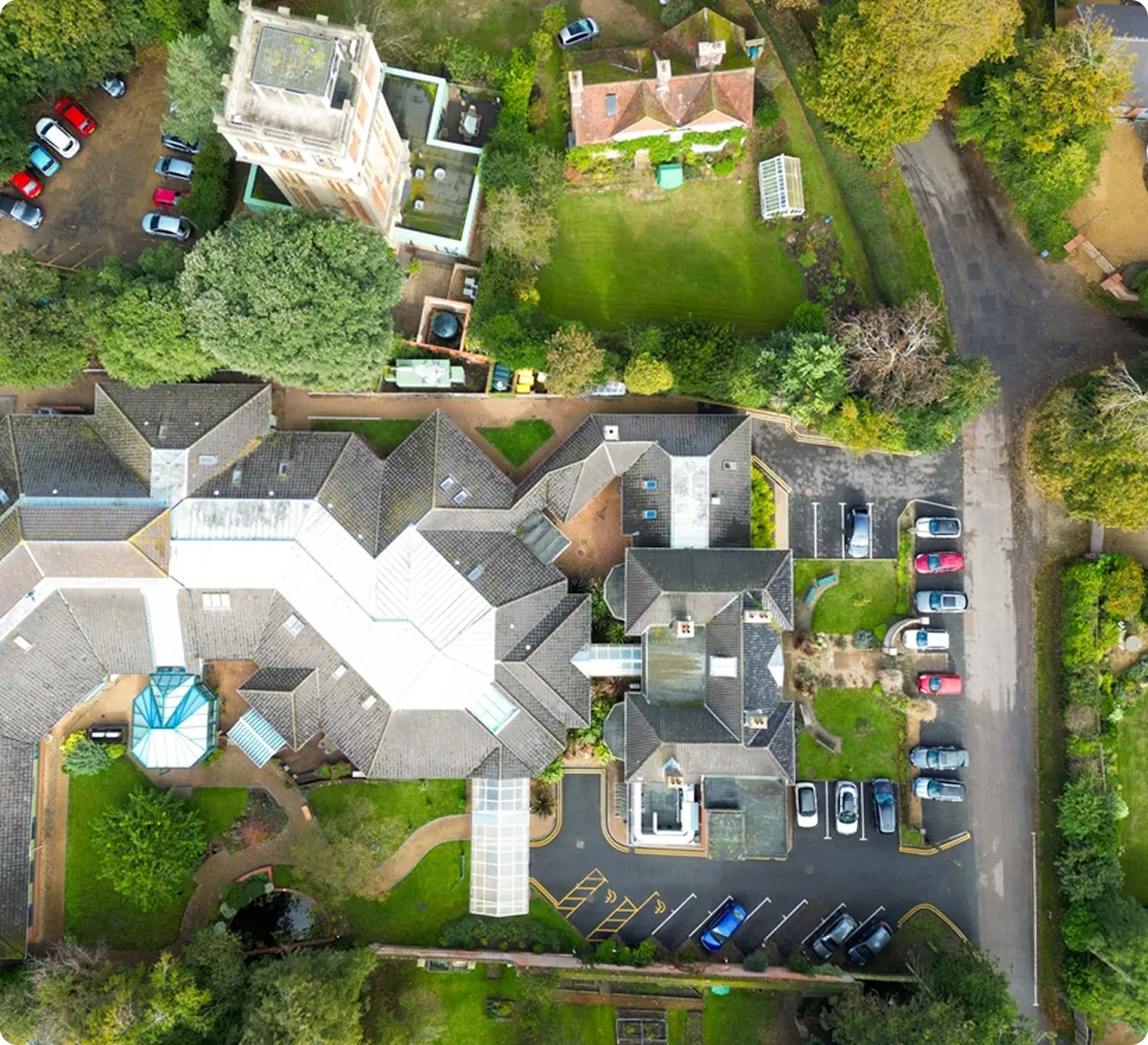
Early visibility helps departments manage incidents responsibly and transparently, strengthening trust between agencies and the communities they serve.
Real-time aerial intelligence gives responders clearer situational awareness, helping them approach incidents safely and coordinate responses with confidence.
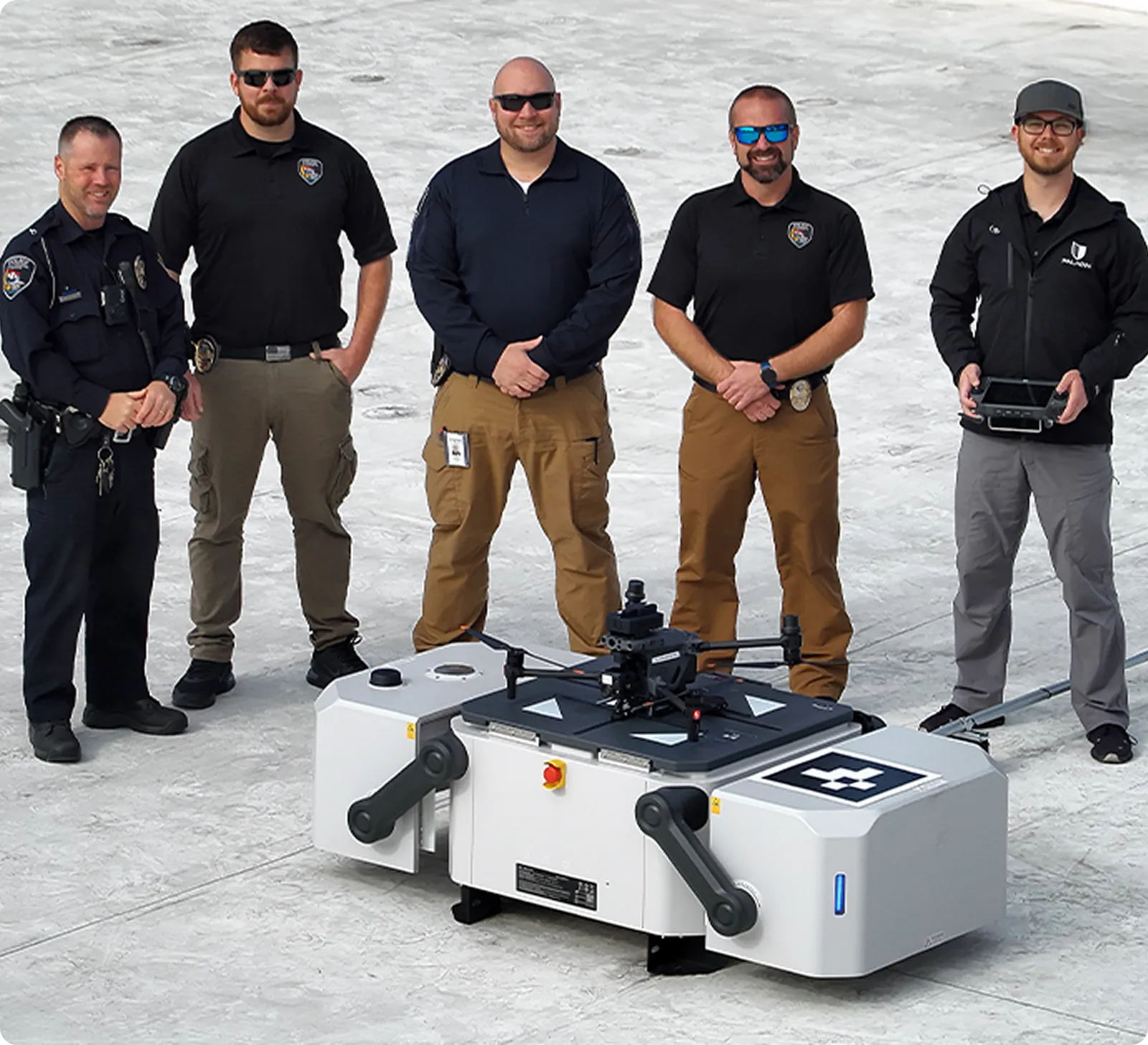
An easy-to-deploy aerial response system that enables departments to quickly add aerial capability without complex aviation programs.
Early visibility helps departments manage incidents responsibly and transparently, strengthening trust between agencies and the communities they serve.
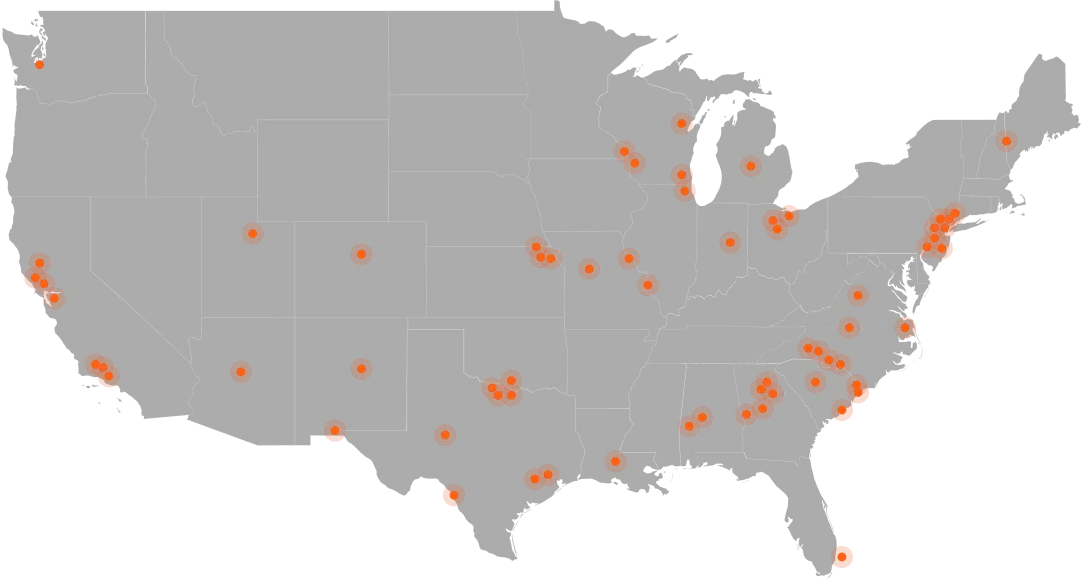
Locations represent active accounts across public safety agencies in the United States.
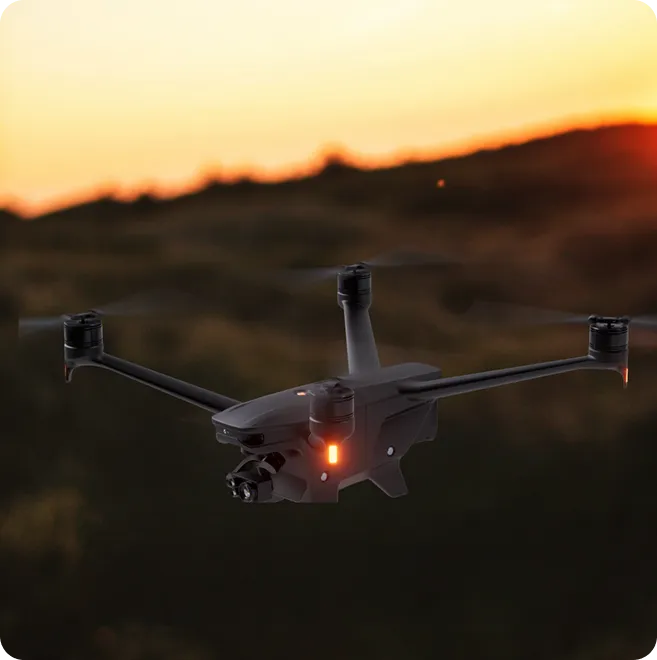
A drone is launched automatically from the department’s dock as soon as an incident is reported, giving teams immediate aerial visibility.
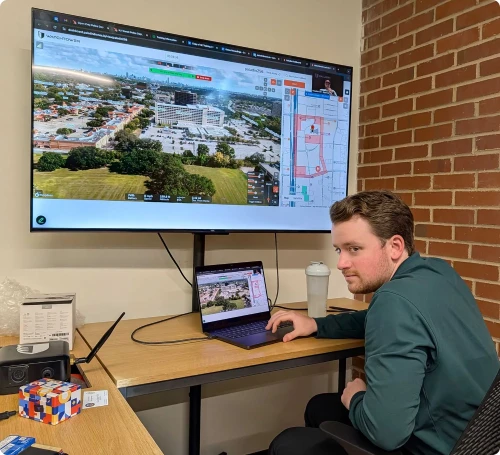
The drone travels directly to the incident location while transmitting live data to command and responding units.
Once on scene, the drone provides live aerial and thermal views, helping responders understand the situation before they arrive.
After the mission, the operator triggers the return command and the drone autonomously flies back to its dock to recharge and prepare for the next deployment.
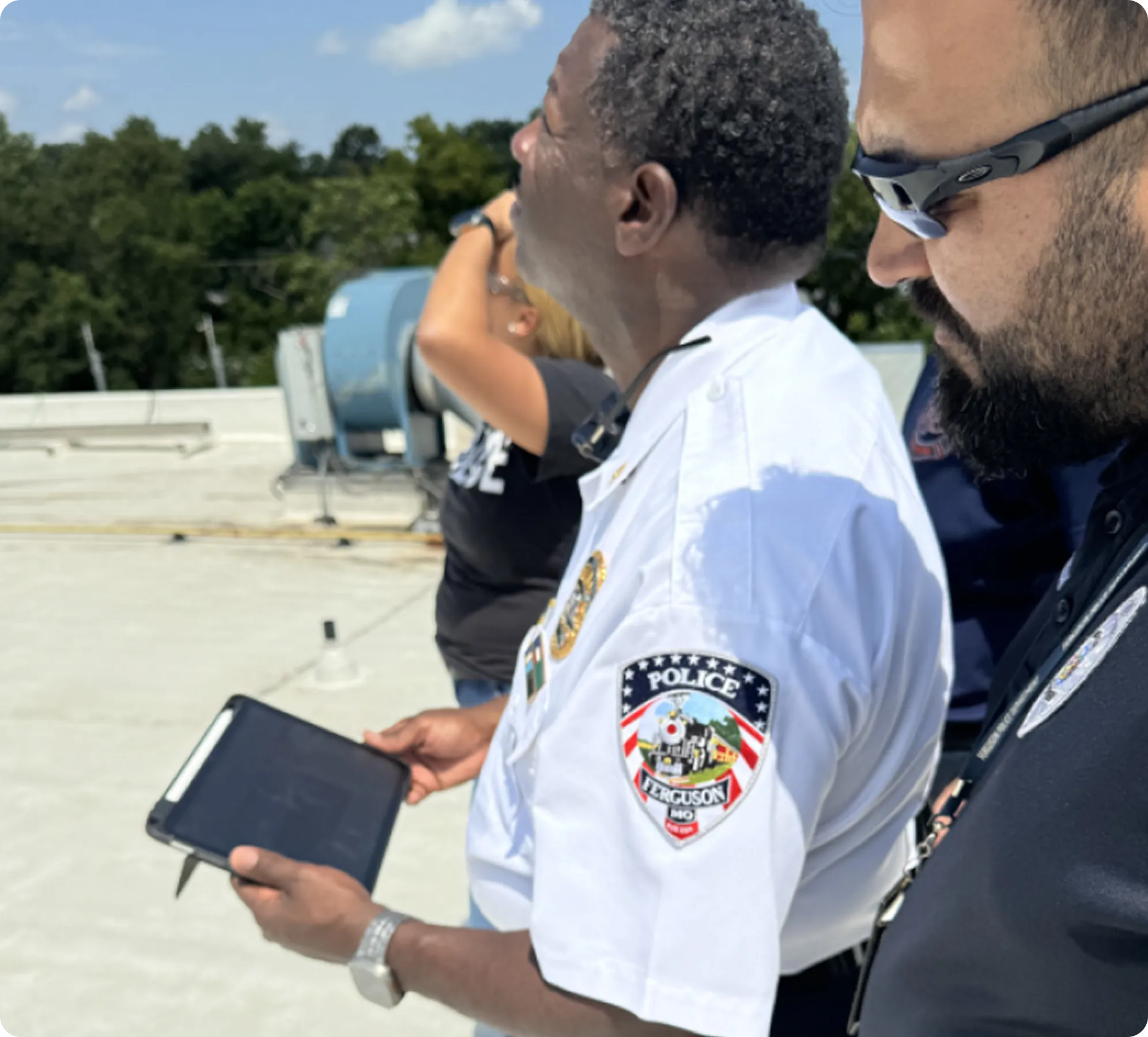

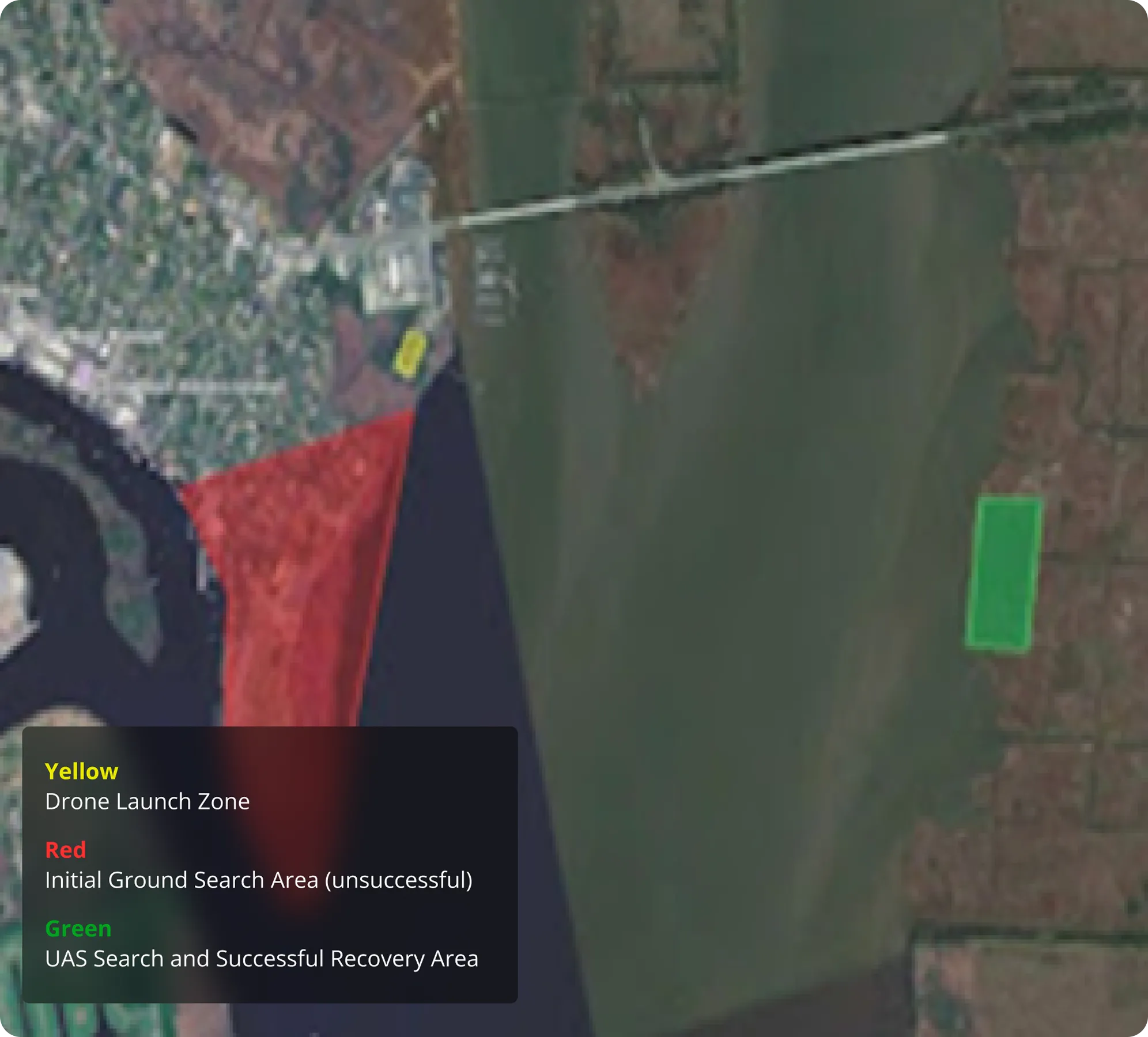

This enhances response, safety measures, and helps develop a plan of action

Paladin has enabled us to continue our mission to be the best agency we can be

In my opinion the Paladin DFR program has helped out tremendously

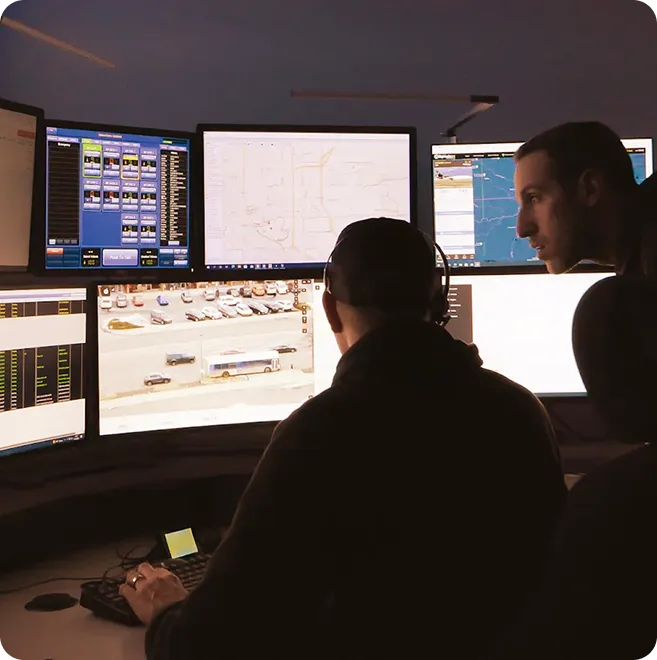
Responders need reliable information as quickly as possible during active incidents. Paladin provides real-time aerial intelligence in the earliest moments of a call, giving dispatch and responding units clear visibility of the scene so they can assess conditions faster and coordinate a safer response.
With LTE you get unlimited range —
3–5 miles on a single charge.
The limitations of radio frequency range being only .5 miles max.
With LTE enabled drones, you can deploy autonomously from any location.